


The world of automated crypto trading can feel overwhelming when you first start. Choosing the right Best AI crypto trading bot requires careful consideration of your goals, risk tolerance, and technical knowledge. This guide walks you through everything beginners need to know before committing money to any trading bot.
Many newcomers lose money because they rush into automated trading without understanding what they’re buying. The wrong bot can drain your account faster than manual trading ever could. But the right bot, configured properly, can help you trade consistently while you sleep.
This comprehensive buyer’s guide covers the essential questions you must ask, the different types of trading bots available, and the common pitfalls that trap beginners. By the end, you’ll know exactly what to look for in an AI crypto trading bot that matches your needs.
Get Started Right
Download our free Bot Selection Worksheet to evaluate platforms systematically. This checklist covers the 15 critical factors every beginner should assess before choosing their first trading bot.
Download Free Worksheet
Essential Questions to Ask Before Picking a Bot
Before you commit to any AI crypto trading bot platform, you need answers to specific questions. These questions help you avoid expensive mistakes and find trading bots that actually match your situation. Smart traders spend more time researching than trading, especially at the beginning.
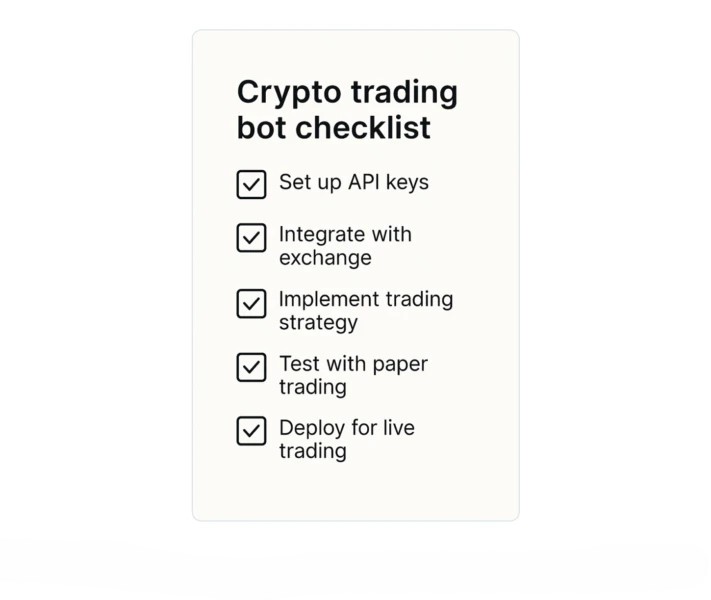
What Exchanges Does the Bot Support?
Your trading bot must connect to the crypto exchanges where you already hold funds. Popular platforms like Binance, Coinbase Pro, Kraken, and KuCoin have different API structures. Not every bot works with every exchange.
Check the complete list of supported exchanges before you sign up. Some bots work with ten or more exchanges. Others focus on just two or three major platforms. If you prefer smaller exchanges for specific altcoins, confirm compatibility first.
The connection process varies by exchange. Some platforms make API integration simple. Others require multiple verification steps. Ask about exchange-specific limitations like rate limits or restricted trading pairs.
What Are the Actual Costs and Fees?
Trading bots charge money in several ways. Monthly subscription fees range from twenty dollars to several hundred dollars. Some platforms charge based on your trading volume instead of flat monthly rates. Free plans exist but usually limit features significantly.
Consider all the fees involved. Your bot subscription is just the start. Exchange trading fees apply to every transaction your bot makes. Active grid bots and active DCA bots can generate dozens of trades daily, multiplying these costs quickly.
Calculate your break-even point. If your bot costs fifty dollars monthly and exchange fees add another thirty dollars, you need consistent profits above eighty dollars just to justify the expense. Many beginners forget this basic math.
Is There a Free Trial or Demo Account?
Never buy a trading bot without testing it first. Free trials let you evaluate the interface and features before spending money. Demo accounts or paper trading modes let you test strategies with simulated funds instead of real crypto.
Paper trading is essential for beginners. You can run active bots with fake money to see how strategies perform. This reveals whether you understand the platform and whether the bot’s approach matches your expectations.
Trial periods vary widely. Some platforms offer seven days free. Others provide thirty-day trials. A few services let you paper trade indefinitely while you learn. Take full advantage of these risk-free testing opportunities.
What Success Rate or Track Record Exists?
Be extremely skeptical of success rate claims. Many platforms advertise high win rates or impressive returns. These numbers often come from optimal market conditions or cherry-picked time periods. Real performance varies dramatically based on market volatility and your settings.
Ask to see verified historical performance across different market conditions. Bull markets make every strategy look profitable. The real test comes during sideways or bearish periods. How did the bot perform when crypto crashed in previous years?
Look for transparent performance data from real users. Some platforms publish anonymized results from their user base. Community forums and independent reviews provide more honest performance insights than marketing materials.
What Customer Support and Resources Are Available?
Technical problems happen with automated crypto trading. You need reliable support when your bot stops working or your trades aren’t executing properly. Check what support channels exist before you commit money.
The best trading bot platforms provide multiple support options. Live chat helps when you need immediate assistance. Email support works for complex technical questions. Knowledge bases and video tutorials help you learn independently.
Test support responsiveness during your trial. Send a question and see how quickly you get a real answer. Active community forums indicate good user engagement. Slow support can leave your bot misconfigured while markets move against you.
What Security Measures Protect My Funds?
Security should be your top concern with any AI crypto trading bot. Your bot needs API keys that access your exchange account. Improperly secured keys give bad actors permission to trade your funds or withdraw your crypto.
Ask about API key permissions. The safest approach restricts bot access to trading only. Never grant withdrawal permissions unless absolutely necessary. Some platforms require additional verification before connecting exchange accounts.
Check whether the platform stores your API keys encrypted. Two-factor authentication should protect your bot account. IP whitelisting adds another security layer. The platform should clearly explain their security architecture.
Platform Reliability Questions
How long has the company operated in the crypto space? Established platforms with years of history are generally safer than brand new services. Check whether the platform has experienced security breaches or significant downtime.
Feature Flexibility Questions
Can you customize trading strategies or are you locked into preset options? More advanced users need flexibility. Complete beginners might prefer limited options that prevent dangerous configurations.
Cloud Bots vs Local Bots: Understanding the Difference
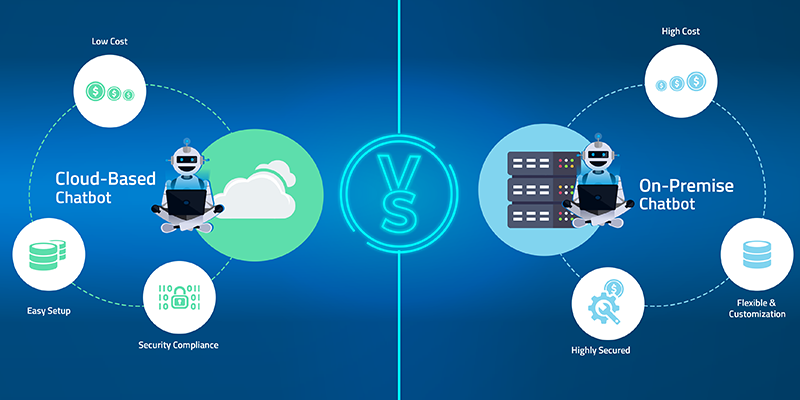
The first technical decision you’ll face is choosing between cloud-based and locally-hosted trading bots. This choice affects everything from setup complexity to ongoing maintenance. Each approach has distinct advantages and limitations for crypto trading automation.
What Are Cloud-Based Trading Bots?
Cloud bots run on the platform provider’s servers instead of your personal computer. You access the bot through a web browser or mobile app. The provider handles all technical infrastructure including server maintenance, security updates, and constant uptime.
Most beginner-friendly platforms use the cloud model. You create an account, connect your exchange through API keys, configure your strategy, and start your bots. The entire process happens through a web interface. No software installation required.
Cloud platforms typically charge monthly subscriptions. This fee covers server costs and platform development. Many services offer multiple subscription tiers. Basic plans might limit how many active bots you can run simultaneously.
What Are Local Trading Bots?
Local bots are software you download and run on your own computer. These programs connect directly to crypto exchanges from your hardware. You’re responsible for keeping your computer running and maintaining the software.
Local bots appeal to technically skilled traders who want complete control. Many local bot programs are open source. Advanced users can modify the code to create custom trading strategies. This flexibility comes with increased complexity.
Some local bots are free to use. Others charge one-time purchase fees or ongoing license costs. Remember that running a local bot 24/7 means leaving your computer on constantly or setting up a dedicated server.
Comparing Setup Requirements
Cloud bot setup takes minutes. Create an account, verify your email, generate exchange API keys, paste them into the platform, and you’re ready to configure strategies. Most platforms provide setup wizards that guide beginners through each step.
Local bot installation is more involved. Download the software, install required dependencies, configure settings files, set up API connections manually, and troubleshoot any compatibility issues. Technical knowledge helps significantly with local installations.
Consider your technical comfort level honestly. If terms like “Python environment” or “configuration files” sound intimidating, cloud platforms are safer choices. Local bots assume you can handle technical troubleshooting independently.
Uptime and Availability
Cloud trading bots run continuously on professional servers. They execute trades 24/7 without interruption. Even if your personal computer is off or your internet disconnects, your cloud bots keep working. This constant availability is crucial for automated crypto trading across global markets.
Local bots only work when your computer is on and connected. Internet outages stop your bot. Computer restarts interrupt trading. Power failures or system crashes can leave positions unmonitored. You need backup power and reliable internet for serious local bot trading.
Many traders solve local bot uptime issues by running them on virtual private servers. This essentially converts a local bot into a cloud solution but requires technical skills to configure properly. The complexity increases significantly.
Security Considerations
Cloud platforms handle security infrastructure but require you to trust the provider with API key access. Reputable platforms encrypt your keys and use enterprise-grade security. However, a platform breach could expose multiple user accounts simultaneously.
Local bots keep API keys on your own computer. You control who accesses your system. The risk shifts to your personal security practices. Malware on your computer could steal keys. Weak passwords or lack of encryption create vulnerabilities.
Neither approach is inherently more secure. Cloud security depends on the provider’s practices. Local security depends on your technical abilities. Evaluate your own security knowledge honestly when choosing.
Cost Comparison
Cloud bots charge ongoing subscriptions. Budget between twenty and two hundred dollars monthly for most platforms. Higher tiers unlock unlimited bots, advanced features, and priority support. These costs continue as long as you use the service.
Local bots might be free or charge one-time fees. However, factor in electricity costs for running your computer constantly. If you rent a VPS for better uptime, those hosting fees can match or exceed cloud subscription prices.
Calculate total cost of ownership. A free local bot running on a forty-dollar monthly VPS costs more than many cloud platforms. Add your time spent on maintenance and updates to get the true cost picture.
Cloud Bot Advantages
- Quick setup with no technical knowledge required
- 24/7 operation without personal computer running
- Automatic updates and security patches
- Access from any device with internet connection
- Professional infrastructure and uptime guarantees
- Built-in paper trading and backtesting tools
Cloud Bot Disadvantages
- Ongoing monthly subscription costs
- Must trust provider with API key security
- Limited strategy customization options
- Dependent on provider staying in business
- Potential data privacy concerns
- Cannot modify underlying code or algorithms
Local Bot Advantages
- Complete control over bot code and behavior
- API keys stay on your own hardware
- Often free or one-time purchase cost
- Unlimited customization for advanced users
- No dependence on external service providers
- Can modify strategies based on unique insights
Local Bot Disadvantages
- Requires technical skills to install and maintain
- Computer must run continuously for 24/7 trading
- You handle all security updates and patches
- Troubleshooting problems takes personal time
- Need backup solutions for power and internet
- Limited or no customer support available
Which Should Beginners Choose?
Most beginners should start with cloud-based trading bots. The reduced complexity lets you focus on learning trading strategies instead of technical infrastructure. Cloud platforms provide support when you encounter problems. You can start trading in under an hour.
Consider local bots only if you have programming experience and want deep customization. The technical requirements filter out most casual traders. Local bots make sense for advanced traders with specific strategy needs that cloud platforms can’t accommodate.
You can always transition from cloud to local later. Many traders start with cloud platforms to learn automated crypto trading concepts. After gaining experience, some move to local bots for specialized strategies. Others stay with cloud solutions indefinitely for convenience.
Copy Trading vs Strategy Bots vs AI Adaptive Bots
Trading bots fall into three main categories based on how they make decisions. Copy trading bots follow other traders automatically. Strategy bots execute predefined rules you configure. AI adaptive bots use machine learning to adjust their behavior. Understanding these differences helps you pick the right tool for your goals.
What Is Copy Trading and How Does It Work?
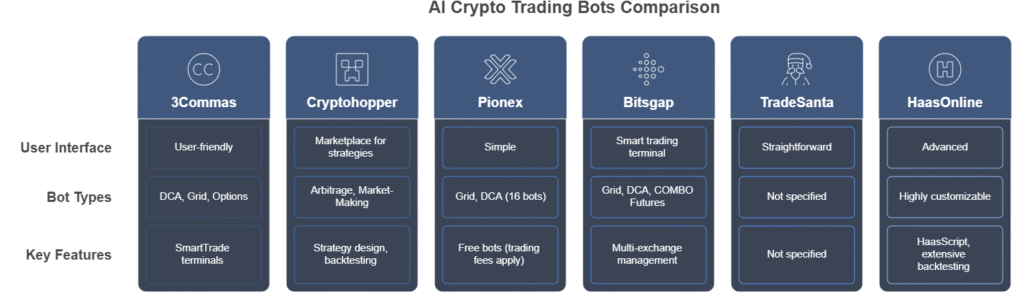
Copy trading lets you automatically replicate trades from experienced crypto traders. You connect your account to a trader you trust. When they buy Bitcoin, your bot buys Bitcoin. When they sell Ethereum, your bot sells Ethereum. Your positions mirror theirs proportionally.
Social trading platforms make copy trading accessible. Browse profiles of successful traders. Review their historical performance and trading style. Choose traders whose approach matches your risk tolerance. Allocate funds to copy their moves automatically.
The appeal is obvious. You benefit from experienced traders’ skills without learning complex strategies yourself. Copy trading works best when you select consistently profitable traders who trade assets you understand. However, you’re betting on someone else’s judgment entirely.
Understanding Strategy-Based Trading Bots
Strategy bots follow specific rules you configure. These automated trading systems execute predefined logic without emotions or second-guessing. Popular strategies include grid trading, dollar cost averaging, and arbitrage techniques.
Grid bots place multiple buy and sell orders at different price levels. They profit from market volatility by buying low and selling high repeatedly within a price range. Active grid bots work well in sideways markets where prices bounce between support and resistance.
DCA bots implement dollar cost averaging automatically. They purchase crypto at regular intervals regardless of price. Active DCA bots can modify purchase amounts based on price movements. This strategy reduces the impact of short-term volatility on your overall position.
Strategy bots require you to understand market conditions. A grid bot configured for Bitcoin ranging between forty thousand and fifty thousand dollars fails completely if Bitcoin breaks above sixty thousand. You must monitor and adjust your bot settings as markets change.
How AI Adaptive Bots Differ
AI adaptive bots use machine learning algorithms to analyze market data and adjust their behavior. Unlike static strategy bots, these systems attempt to recognize changing market conditions and modify their approach accordingly. They learn from historical patterns and current market sentiment.
These advanced bots analyze multiple data sources simultaneously. Price action, trading volume, social media sentiment, news events, and technical indicators feed into their decision-making models. The AI identifies patterns that human traders might miss.
The promise of AI-driven trading is compelling. Bots that adapt to market conditions theoretically outperform static strategies. They could switch from aggressive growth tactics in bull markets to defensive positions during crashes. However, Best AI crypto trading bots are only as good as their training data and algorithms.
Be skeptical of marketing hype around AI capabilities. Many platforms overstate their machine learning sophistication. True adaptive AI requires massive datasets and sophisticated models. Some “AI bots” use simple rule adjustments rather than genuine machine learning.
Comparing the Three Approaches
Copy Trading Bots
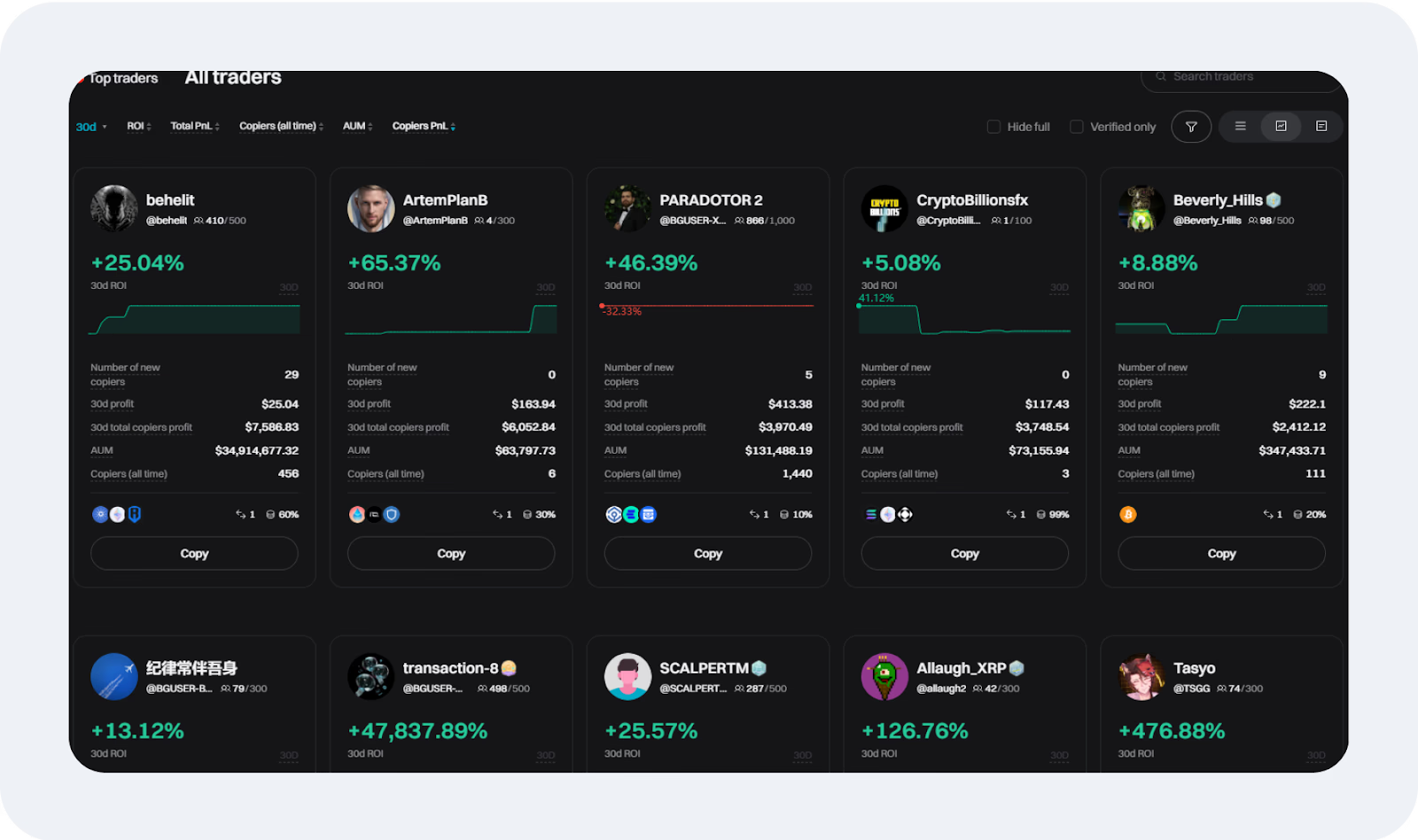
Copy trading appeals to beginners who lack trading knowledge. You leverage other people’s expertise instead of developing your own. The barrier to entry is extremely low. Pick a trader and start copying immediately.
The downside is complete dependency. You trust someone else’s judgment without understanding their reasoning. If your chosen trader makes poor decisions, you lose money. Their risk tolerance might not match yours. A trader comfortable with high leverage could blow up your account.
Success depends entirely on trader selection. Past performance doesn’t guarantee future results. Many top-performing traders experience eventual losing streaks. You need ongoing vigilance to monitor the traders you copy and switch when performance deteriorates.
Strategy Bots
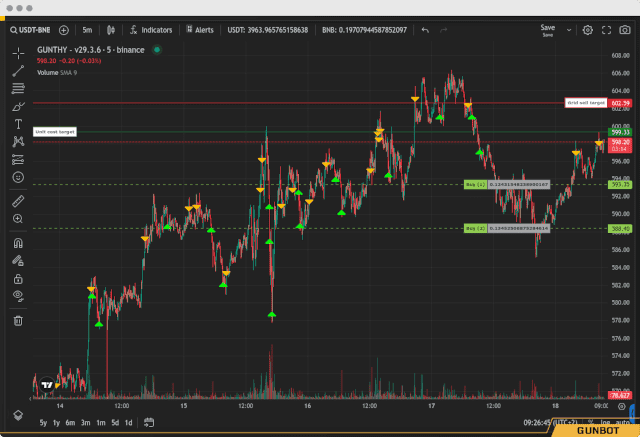
Strategy bots give you control and transparency. You understand exactly what rules your bot follows. Grid bots and DCA bots have proven track records in specific market conditions. You can backtest strategies against historical data before risking real money.
These bots require more knowledge than copy trading. You must understand how grid trading works to configure ranges properly. Dollar cost averaging seems simple but requires discipline through bear markets. Strategy selection depends on correctly reading market conditions.
The main limitation is inflexibility. A grid bot configured for ranging markets fails spectacularly during breakouts. You must actively manage your bots, adjusting parameters as markets evolve. Strategy bots work best for traders willing to learn and stay engaged.
AI Adaptive Bots

AI bots promise the best of both worlds. Automated decision-making plus the ability to adapt to changing conditions. They handle complexity that overwhelms human traders. Pattern recognition across massive datasets potentially identifies profitable opportunities earlier.
The reality rarely matches the marketing. Most Best AI crypto trading bots use relatively simple algorithms. True machine learning requires extensive training data and computational resources. Many platforms label basic conditional logic as “AI” when it’s just sophisticated automation.
Even genuine AI bots face challenges. Machine learning models trained on historical data may not handle unprecedented market events. AI can recognize patterns but struggles with black swan events. You still need human oversight to prevent catastrophic decisions during extreme volatility.
Which Type Suits Beginners Best?
Most beginners should start with strategy bots using simple approaches. Active DCA bots work well for building positions gradually. Basic grid bots teach you about market ranges and volatility. These tools are transparent and educational.
Avoid copy trading initially. It teaches you nothing about crypto trading or market analysis. You won’t develop skills to trade independently. If your copied trader stops performing or leaves the platform, you’re back at square one with no knowledge gained.
Skip AI adaptive bots until you understand basic strategies. You need foundational knowledge to evaluate whether an AI bot’s decisions make sense. Advanced bots add complexity that beginners don’t need. Master simple strategies before exploring sophisticated automation.
Copy Trading Best For
- Complete beginners with zero trading knowledge
- Busy professionals without time for market analysis
- Those comfortable delegating trading decisions
- Learning by observing experienced traders
Typical Cost: Free to use, often profit-sharing with copied traders
Time Commitment: Low, mainly monitoring trader performance
Compare Copy Trading Platforms
Strategy Bots Best For
- Beginners willing to learn trading fundamentals
- Traders who want control over their approach
- Those with specific market views to implement
- Building systematic trading discipline
Typical Cost: $20-100 monthly subscriptions
Time Commitment: Moderate, regular strategy adjustments needed
Explore Strategy Bot Options
AI Adaptive Bots Best For
- Experienced traders seeking advanced automation
- Those comfortable with algorithmic trading concepts
- Traders managing multiple strategies simultaneously
- Users with significant capital to leverage AI advantages
Typical Cost: $100-500+ monthly for genuine AI platforms
Time Commitment: Variable, depends on oversight requirements
Research AI Bot Platforms
Can You Combine Different Bot Types?
Many platforms let you run multiple strategies simultaneously. You might allocate thirty percent of capital to a conservative DCA bot building Bitcoin positions. Another forty percent could run grid bots capturing altcoin volatility. The remaining thirty percent might copy trade a successful trader you trust.
Diversifying across bot types spreads risk. When grid bots struggle in trending markets, your DCA bot continues accumulating. If your copied trader hits a losing streak, your strategy bots keep working independently. Portfolio diversification applies to automated trading just like traditional investing.
Start with one bot type until you understand how it works. Adding complexity before mastering basics leads to confusion and costly mistakes. Once you’re comfortable with DCA or grid trading, experiment with additional approaches gradually.
Understanding Risk Settings: Drawdown, DCA, and Grid Parameters
Risk management separates successful crypto trading from gambling. Your AI crypto trading bot needs proper risk settings to protect your capital. Understanding parameters like drawdown limits, position sizing, and stop losses prevents catastrophic losses. These settings determine whether your bot preserves capital during downturns or destroys your account.
What Is Drawdown and Why Does It Matter?
Drawdown measures how much your account value declines from its peak. A twenty percent drawdown means your account dropped from ten thousand dollars to eight thousand dollars. Maximum drawdown shows the largest peak-to-trough decline your account experienced over a period.
Every trading strategy experiences drawdowns. Markets move against even the best trading bots sometimes. The question isn’t whether you’ll face drawdowns but how large you’ll allow them to grow before taking action. Uncontrolled drawdowns can make recovery mathematically impossible.
Consider the math of recovery. A fifty percent loss requires a one hundred percent gain just to break even. Lose seventy percent and you need a two hundred thirty-three percent gain to recover. Large drawdowns become holes you can’t climb out of. Setting maximum drawdown limits protects you from unrecoverable losses.
Configure your bot to stop trading automatically if drawdown exceeds your tolerance. Conservative traders set limits around fifteen to twenty percent. Aggressive traders might accept thirty to forty percent drawdowns. Never exceed fifty percent maximum drawdown regardless of your risk appetite.
Understanding Dollar Cost Averaging Settings
Dollar cost averaging purchases fixed dollar amounts at regular intervals. A simple DCA bot might buy one hundred dollars of Bitcoin every week regardless of price. This approach averages your entry price over time rather than trying to time the market perfectly.
Active DCA bots add sophistication to basic dollar cost averaging. They might increase purchase amounts when prices drop significantly. Some platforms call this “smart DCA” or “safety orders.” The bot buys more aggressively during dips to lower your average entry price faster.
Key DCA settings include base order size, safety order size, and safety order trigger points. Your base order is the initial purchase. Safety orders are additional purchases triggered when price drops by a specified percentage. Each safety order might be slightly larger than the previous one.
Example DCA configuration: Start with a one hundred dollar base order. Set five safety orders of one hundred fifty dollars each. Trigger each safety order when price drops three percent below the previous order. This setup commits up to eight hundred fifty dollars total if all orders execute.
DCA Bot Warning
DCA bots can drain your account quickly during steep declines. If Bitcoin crashes forty percent, your bot keeps buying all the way down. Make sure you have sufficient capital for all planned safety orders. Never use more funds than you can afford to lose completely.
Grid Trading Parameters Explained
Grid bots place multiple buy and sell orders at preset price intervals. Imagine a grid overlaid on a price chart. The bot places buy orders at lower grid lines and sell orders at upper grid lines. It profits from price oscillation between the grid boundaries.
Critical grid bot settings include price range, number of grids, and investment amount. The price range defines upper and lower boundaries where your bot operates. Number of grids determines how many buy/sell order pairs to create within that range. Investment amount is the total capital allocated.
Narrow price ranges with many grids generate frequent small profits. Wide ranges with fewer grids capture larger price swings but trade less frequently. Your grid configuration should match expected market volatility and trading pair characteristics.
Grid arithmetic mode spaces orders evenly by price. Geometric mode spaces them by percentage. Arithmetic works well for stable price ranges. Geometric mode handles varying volatility better but requires more advanced understanding.
Position Sizing and Leverage Considerations
Position sizing determines how much capital you risk on each trade. Conservative position sizing uses one to two percent of your total account per position. Aggressive sizing might risk five to ten percent. Using larger position sizes amplifies both gains and losses proportionally.
Many beginners make positions too large. They risk twenty or thirty percent of capital on single trades. A few consecutive losses wipe out significant account value. Small position sizes let you survive losing streaks that inevitably occur with any trading strategy.
Leverage multiplies your position size using borrowed funds. Two-times leverage lets you control two thousand dollars of crypto with one thousand dollars of capital. Leverage amplifies profits but also magnifies losses. A ten percent adverse move with five-times leverage loses fifty percent of your capital.
Beginners should avoid leverage entirely when starting with trading bots. Master unlevered trading first. Leverage adds complexity and risk that new traders can’t handle properly. Even experienced traders use leverage sparingly and cautiously.
Stop-Loss and Take-Profit Settings
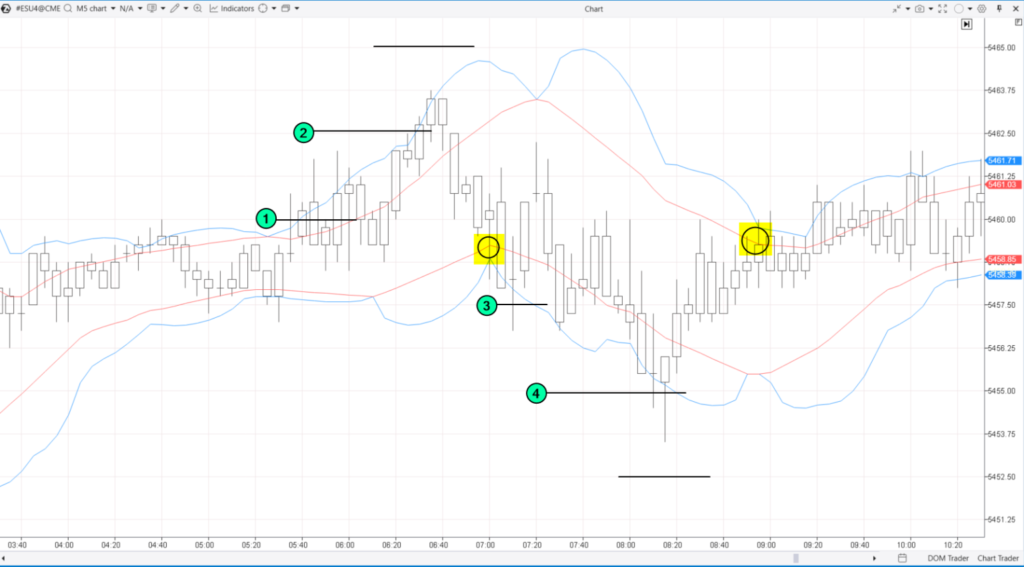
Stop-loss orders automatically sell your position when price drops to a predetermined level. They limit losses on trades that move against you. A stop-loss set at five percent below your entry price caps your loss at five percent if the trade goes bad.
Take-profit orders automatically sell when price reaches your profit target. They lock in gains before markets reverse. A ten percent take-profit target closes your position automatically once you’ve made ten percent profit, regardless of whether price continues higher.
Finding the right stop-loss and take-profit levels requires understanding volatility. Tight stops get triggered frequently by normal price fluctuations. Stops set too wide let losses grow excessively. Your settings should reflect the asset’s typical price movement.
Common approaches include percentage-based stops or technical level stops. A five percent stop-loss is simple and universal. Technical stops place orders just beyond support levels where price often reverses. Test different settings through paper trading to find what works for your strategy.
Trailing Stops for Dynamic Profit Protection
Trailing stops move with the market to protect unrealized profits. Set a trailing stop five percent below the highest price reached. If Bitcoin rallies from forty thousand to forty-five thousand dollars, your trailing stop automatically adjusts from thirty-eight thousand to forty-two thousand seven hundred fifty dollars.
This dynamic approach lets profitable trades run while protecting against reversals. Traditional fixed stops might exit too early during strong trends. Trailing stops capture more upside while still providing downside protection. Most advanced trading bots support trailing stop functionality.
Configure trailing stop distance based on volatility. Highly volatile altcoins need wider trailing stops to avoid premature exits. Bitcoin and major cryptocurrencies can use tighter trailing distances. Backtest different settings to optimize for your trading pairs.
Risk-Reward Ratios and Expectancy
Risk-reward ratio compares potential profit to potential loss on each trade. A two-to-one risk-reward means you risk one hundred dollars to potentially make two hundred dollars. Professional traders typically target minimum two-to-one or three-to-one ratios on every trade.
Your bot’s overall expectancy determines long-term profitability. Expectancy combines win rate, average win size, and average loss size. A strategy winning sixty percent of trades with equal-sized wins and losses is profitable. Winning only forty percent requires larger average wins than losses to be profitable.
Calculate expectancy: (Win Rate × Average Win) – (Loss Rate × Average Loss). Positive expectancy indicates a profitable system over time. Negative expectancy means the strategy loses money long-term regardless of short-term results.
Monitor your bot’s performance metrics regularly. Many platforms provide win rate statistics and average profit/loss data. If expectancy turns negative, pause your bot and reevaluate settings. Continuing to trade a negative expectancy system guarantees eventual account depletion.
Risk Management Checklist
- Set maximum drawdown limit between 15-25% of account value
- Use position sizes no larger than 2-5% per trade
- Always configure stop-loss orders on every position
- Avoid leverage until you’re consistently profitable without it
- Target minimum 2:1 risk-reward ratios on all trades
- Monitor bot expectancy weekly and pause if it turns negative
- Keep detailed records of all settings changes and results
How Much Capital You Actually Need to Start
One of the biggest beginner questions is how much money you need to start with trading bots. The answer depends on several factors including bot type, exchange requirements, and your risk management approach. Starting with too little capital limits your options and increases risk. Here’s a realistic breakdown.
Minimum Exchange Requirements
Crypto exchanges enforce minimum trade sizes. Binance requires minimum ten USDT order values for most trading pairs. Coinbase Pro has minimum order sizes around ten dollars. Smaller exchanges might have lower minimums but offer less liquidity.
These minimums compound quickly with active bots. A grid bot with ten active grids needs enough capital to cover ten positions simultaneously. Each position must meet the exchange minimum. Ten grids at ten dollars minimum requires at least one hundred dollars available capital just to meet technical requirements.
Factor in exchange trading fees. Most platforms charge 0.1% to 0.5% per trade. Active grid bots can execute dozens of trades daily. A bot making thirty trades per day at 0.2% fees costs about six percent of your trading capital monthly in fees alone. You need profits above this threshold just to break even.
Capital Requirements for DCA Bots
Simple DCA bots need relatively modest capital to start. Budget at least the total of your base order plus all planned safety orders. A configuration with a one hundred dollar base and five one hundred dollar safety orders requires six hundred dollars in available capital.
Consider how long you plan to run the DCA bot. If you’re dollar cost averaging into Bitcoin over six months with weekly purchases, calculate total capital needed upfront. Twenty-six weeks at one hundred dollars per week requires twenty-six hundred dollars. Don’t start the bot unless you can fund it completely.
Active DCA bots with safety orders need larger reserves. These bots buy more aggressively during price drops. Make sure you can fund all safety orders even if markets decline significantly. Running out of capital mid-dip forces your bot to stop when accumulating would be most beneficial.
Realistic minimum for basic DCA bots: $500-1000. This allows meaningful position building without hitting exchange minimums constantly. Optimal starting capital: $2000-5000 for flexibility and multiple safety order layers.
Capital Requirements for Grid Bots
Grid trading bots need sufficient capital to establish all grid positions. Calculate minimum capital by multiplying number of grids by minimum position size. Twenty grid levels with fifteen dollar minimums requires three hundred dollars minimum.
However, technical minimums don’t create effective trading. Each grid position should be large enough to generate meaningful profits after fees. A position generating fifty cents profit looks good on percentage terms but doesn’t justify the time and effort.
Practical minimum for grid trading: $1000-1500. This allows ten to fifteen grid levels with meaningful position sizes. Each grid profit might be five to ten dollars, making the strategy worthwhile. Below one thousand dollars, grid profits often fail to exceed trading fees significantly.
Optimal grid trading capital: $3000-5000. This enables running multiple grid bots simultaneously on different trading pairs. Portfolio diversification improves overall risk-adjusted returns. You can test different grid configurations without committing your entire account to one setup.
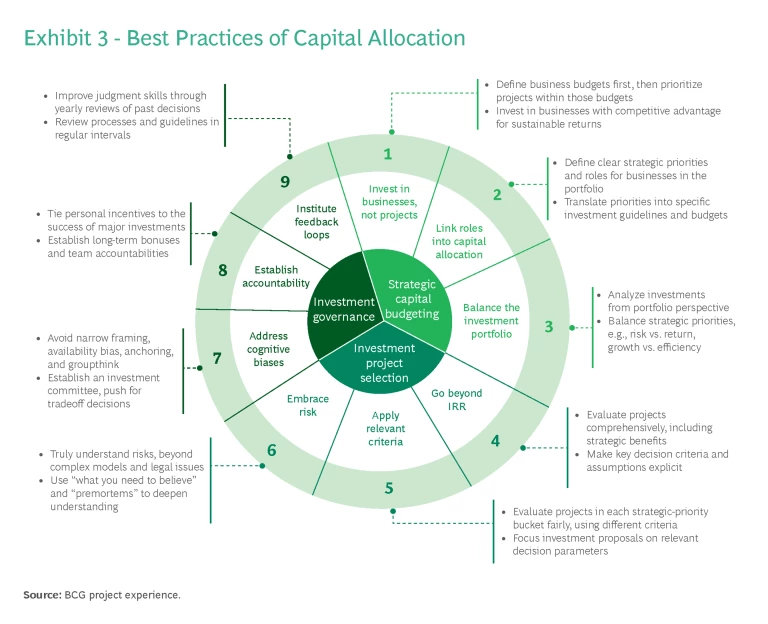
Capital Requirements for Copy Trading
Copy trading platforms often have minimum account sizes. Popular services require between two hundred and one thousand dollars minimum to start copying traders. This ensures you can replicate positions proportionally without hitting exchange minimums.
Consider the traders you want to copy. Some traders take large positions or use leverage. Copying them with insufficient capital means you can’t match their position sizing. Your results will differ significantly from the trader you’re copying, often in worse ways.
If a trader you’re copying typically allocates five thousand dollars per position and you only have five hundred dollars total capital, your proportional positions might be too small to trade effectively. You’d be copying their strategy but not really replicating their execution.
Realistic minimum for copy trading: $500-1000. This allows copying most traders with reasonable proportion. Optimal starting capital: $2000-3000 for flexibility to copy multiple traders and build diversified following.
Capital for Learning and Testing
Budget separate capital specifically for learning. This is money you can afford to lose completely while you figure out how trading bots work. Think of it as tuition for crypto trading education rather than investment capital.
Many traders recommend starting with one hundred to three hundred dollars purely for learning. This amount is small enough that losses won’t devastate you financially but large enough to take seriously. You’ll make mistakes. Better to make them with learning capital than your life savings.
Use paper trading extensively before risking real money. Most platforms offer simulated trading with fake funds. Test strategies for at least one to three months with paper trading. Only graduate to real money after demonstrating consistent profits in simulation.
The Importance of Reserve Capital
Never commit your entire crypto holdings to active bots. Maintain reserve capital for opportunities and emergencies. A good rule allocates only fifty percent of available capital to active trading bots initially.
Reserve capital serves multiple purposes. You can deploy it during exceptional market opportunities. It provides backup if your bot configurations need adjustment. Reserves prevent forced liquidations during unexpected volatility that would otherwise blow up your account.
As you gain experience and confidence, you might increase the percentage in active bots to sixty or seventy percent. Even experienced traders keep twenty to thirty percent in reserves. Complete capital deployment removes your ability to adapt to changing market conditions.
Realistic Capital Tiers
| Capital Tier | Amount | Suitable For | Bot Options | Monthly Profit Potential |
| Beginner Learning | $100-500 | Complete beginners, testing and learning | Single simple DCA bot or paper trading | $5-25 (focus is learning, not profit) |
| Basic Entry | $500-1500 | Beginners ready for real trading | One DCA bot or basic grid bot | $25-100 depending on market conditions |
| Intermediate | $1500-5000 | Traders with some experience | Multiple bots across different strategies | $75-300 with diversified approach |
| Advanced | $5000-15000 | Experienced traders, portfolio diversification | Multiple strategies, copy trading, grid bots | $250-900 with skilled management |
| Professional | $15000+ | Serious traders treating it as business | Unlimited bots, advanced strategies, AI bots | $750+ with professional risk management |
Don’t Overestimate Required Capital
Some beginners think they need tens of thousands of dollars to start with trading bots. This misconception prevents them from starting at all. The truth is you can learn effectively with modest amounts. Five hundred to one thousand dollars provides real experience without catastrophic risk.
Crypto markets offer opportunities at every capital level. You won’t get rich quickly starting with five hundred dollars. But you can learn the skills that eventually let you trade larger accounts profitably. Starting small and scaling up beats waiting until you have “enough” money.
Remember that automated crypto trading compounds over time. A bot consistently making five percent monthly turns one thousand dollars into over seventy-nine hundred dollars in four years. Starting small with good risk management beats sitting on the sidelines.
Start Smart with Proper Capital Planning
Download our free Capital Allocation Calculator to determine your optimal starting capital based on your goals, risk tolerance, and preferred bot types. This tool helps you budget realistically and avoid undercapitalization mistakes.
Get Free Calculator
Common Beginner Mistakes That Lose Money
Most beginners lose money with trading bots not because bots don’t work, but because they make predictable mistakes. These errors drain accounts quickly. Understanding common pitfalls helps you avoid expensive lessons that destroy capital before you learn proper techniques. Here are the mistakes that cost beginners the most money.
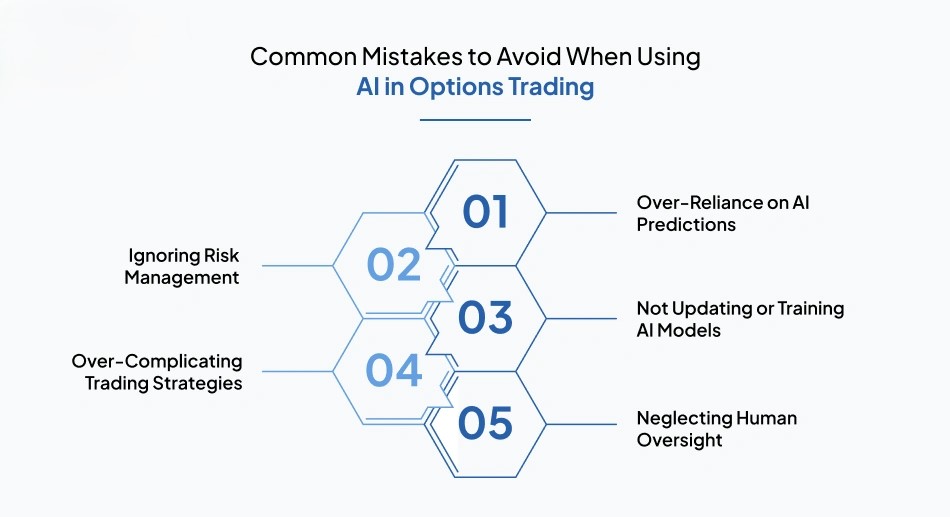
Over-Optimizing Based on Historical Data
Beginners discover backtesting and become dangerous. They tweak bot settings endlessly until historical results look perfect. A grid bot shows ninety percent win rate across the last six months. Those settings must be optimal, right? Wrong.
Over-optimization creates strategies that work perfectly on past data but fail in live markets. You’re essentially teaching your bot to trade what already happened rather than what will happen. This mistake is called “curve fitting” and guarantees disappointment.
Past performance never guarantees future results in crypto markets. Market conditions change constantly. A grid range that worked perfectly during sideways trading in March fails spectacularly during April’s breakout. Your perfectly optimized settings become perfectly wrong when markets shift.
Solution: Keep settings simple and robust. Test strategies across different market conditions. If settings only work during specific periods, they’re over-fit to history. Aim for consistency across various market environments rather than perfection in one period.
Ignoring Trading Fees and Costs
Many beginners see a bot promising ten percent monthly returns and calculate projected profits. They forget to subtract trading fees, subscription costs, and exchange fees. The oversight turns profitable strategies into money losers.
Active grid bots generate significant fee expenses. A bot making forty trades daily at 0.2% fees each way costs sixteen percent of your capital monthly in fees. You need returns above sixteen percent monthly just to break even. Most beginners never do this calculation.
Bot subscription fees add up quickly. A fifty dollar monthly subscription costs six hundred dollars yearly. If you’re trading with two thousand dollars, that’s thirty percent of your capital going to fees annually. You need strong returns to justify the expense.
Solution: Calculate your total cost of ownership before starting any bot. Add exchange fees, bot subscription costs, and spread costs. Determine the minimum monthly return needed to break even. If that number seems unrealistic, reconsider whether automated trading makes sense for your capital level.
Fee Reality Check
A trader with $2000 capital running an active grid bot might face: $50 monthly bot subscription, $60 in trading fees at 3% monthly turnover, and $20 in spread costs. That’s $130 monthly or 6.5% of capital just in costs. The bot must exceed 6.5% monthly returns to profit.
Not Monitoring Active Bots
Beginners think “automated” means “set and forget.” They configure a bot and ignore it for weeks. Markets change. Bitcoin breaks out of the grid range. The DCA bot exhausts all safety orders. Meanwhile, the trader isn’t watching.
All trading bots require regular monitoring. Check open positions daily at minimum. Review performance weekly. Markets don’t care that your bot is automated. Conditions change and bots need adjustment or they’ll continue executing outdated strategies.
Unmonitored bots can rack up losses quickly. A grid bot configured for forty to fifty thousand dollar Bitcoin range continues trading after Bitcoin drops to thirty thousand. Every sell order executes at a loss. The bot doesn’t know to stop because you didn’t tell it market conditions changed.
Solution: Schedule daily bot check-ins. Review open positions and recent trades. Check whether market conditions still match your bot’s configuration. Set up alerts for significant price movements. Treat your bot like an employee who needs supervision, not a magic money machine.
Using Too Much Leverage
Leverage sounds appealing to beginners. Control five thousand dollars of crypto with only one thousand dollars capital. Profits multiply by five times. What beginners ignore is that losses also multiply by five times. A ten percent adverse move with five-times leverage wipes out your entire account.
Many platforms make leverage dangerously accessible. One click and suddenly your positions are leveraged three times, five times, or even ten times. Beginners see potential profits and forget about amplified risks. Leverage turns manageable drawdowns into account liquidations.
Some trading bots default to leveraged positions. New users don’t even realize they’re using leverage until losses accumulate impossibly fast. Always check whether your bot uses leverage and disable it unless you completely understand the risks.
Solution: Avoid leverage completely for your first six to twelve months of automated trading. Master profitable trading without leverage first. Once you’re consistently profitable, consider very conservative leverage like one point five or two times maximum. Never exceed three times leverage regardless of experience.
Chasing Losses with Increasingly Risky Settings
A beginner loses five hundred dollars in their first month. Rather than analyzing what went wrong, they increase position sizes to recover losses faster. They adjust risk settings more aggressively. They activate more bots hoping volume compensates for strategy weaknesses.
This revenge trading mentality destroys accounts. Losing traders trying to recover losses quickly almost always lose more. They compound mistakes rather than correcting them. The five hundred dollar loss becomes two thousand dollars before they accept something fundamental is wrong.
Emotional trading defeats the entire purpose of automated systems. Bots follow unemotional logic. But if you keep adjusting settings based on fear and greed, you’ve reintroduced emotions into automated trading. You get the worst of both approaches.
Solution: Set strict drawdown limits before you start trading. If your account drops fifteen percent, stop all bots and analyze what happened. Never increase risk after losses. Treat losses as learning opportunities requiring analysis, not problems requiring aggressive recovery attempts.
Starting with Real Money Before Paper Trading
Most platforms offer paper trading with simulated funds. Beginners skip this step and go straight to real money. They want profits immediately and view paper trading as wasting time. This impatience costs them dearly.
Paper trading reveals whether you understand your bot’s behavior. It shows how strategies perform across different market conditions. You learn the platform interface without risking capital. The mistakes you make with fake money don’t cost anything.
Even experienced manual traders should paper trade bots before using real money. Automated trading differs from discretionary trading. Strategies that work manually might fail when automated. Paper trading reveals these differences safely.
Solution: Paper trade for minimum one month before risking real capital. Run your intended strategy with simulated funds. Track performance daily. Only move to real money after demonstrating consistent profitability in paper trading. This discipline saves far more money than it delays.
Following “Guaranteed Profit” Schemes
Social media and YouTube overflow with trading bot success stories. Someone shows screenshots of their bot making five hundred dollars daily. They offer to share their “secret settings” for a small fee. Beginners buy these courses and configurations hoping to replicate the results.
These schemes are mostly scams. The screenshots are either fabricated or cherry-picked from the absolute best trading days. The “secret settings” are generic configurations anyone could create. You’re paying for hype, not substance.
Even legitimate traders sharing settings can’t guarantee you’ll replicate their results. Market conditions change. Their capital size differs from yours. Position sizing that works with twenty thousand dollars fails with two thousand dollars. Settings don’t transfer between traders as easily as promised.
Solution: Avoid buying bot settings or “guaranteed profit systems.” Learn to create and test your own strategies. Free educational resources teach everything you need without paying for scams. If something sounds too good to be true in crypto trading, it absolutely is.
Neglecting Security Best Practices
Beginners create exchange API keys with full permissions including withdrawal rights. They use weak passwords on their bot accounts. They store API keys in unencrypted files. Then they act surprised when their account gets compromised and funds disappear.
API key security cannot be overstated. These keys give your bot access to your exchange account. Improperly secured keys can be stolen and used to drain your funds. Most exchange hacks target poorly secured API keys rather than the exchanges themselves.
Many beginners also ignore two-factor authentication. They use the same password across multiple platforms. They click suspicious links in trading bot communities. Every security shortcut increases the probability of losing all your crypto.
Solution: Follow the security checklist in the next section religiously. Never grant withdrawal permissions to trading bots unless absolutely necessary. Use unique strong passwords. Enable two-factor authentication everywhere. Treat API key security like bank account security because that’s exactly what it is.
- Over-optimizing strategies for past performance
- Ignoring total cost calculations including fees
- Not monitoring bots regularly after setup
- Using leverage without understanding risks
- Chasing losses with increasingly risky settings
- Skipping paper trading and testing phases
- Buying “secret settings” from social media traders
- Neglecting API key security precautions
- Running too many bots simultaneously as beginner
- Expecting consistent returns regardless of market conditions
- Testing simple robust strategies across market conditions
- Calculating break-even requirements before starting
- Checking bots daily and adjusting for market changes
- Trading without leverage initially until profitable
- Stopping to analyze after any significant drawdown
- Paper trading minimum one month before real money
- Creating and testing your own strategies independently
- Following complete security checklist for API keys
- Starting with one bot type until profitable
- Understanding strategies work differently in various markets
Running Too Many Strategies Simultaneously
Beginners discover platforms offering unlimited bots and immediately activate ten different strategies. They run three grid bots on different pairs, two DCA bots on Bitcoin, copy three traders, and enable an AI bot. Their capital spreads so thin that no strategy has room to work properly.
Each additional bot splits your attention and capital. You can’t effectively monitor ten bots as a beginner. When something goes wrong, you won’t notice until losses accumulate across multiple positions. Complexity overwhelms you instead of helping.
Diversification makes sense but only after mastering individual strategies. Running multiple approaches before you understand any of them well creates chaos. You won’t know which strategies work or why they’re succeeding or failing.
Solution: Start with one bot using one strategy. Master it completely. Understand how it performs across different market conditions. Only after consistent profitability with your first bot should you add a second strategy. Scale complexity gradually as competence grows.
Security Checklist Before Connecting Exchange API
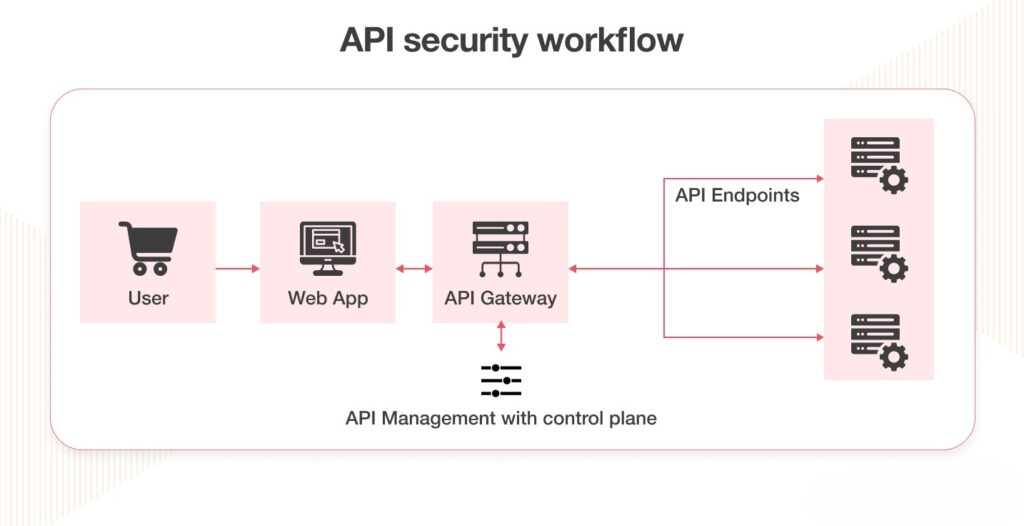
Connecting your AI crypto trading bot to exchanges through API keys is the most critical security step you’ll take. A single mistake here can result in complete loss of funds. This comprehensive checklist ensures you create, configure, and maintain API keys safely. Follow every step without exception.
Before Creating API Keys
Verify the trading bot platform legitimacy. Research the company thoroughly. Check how long they’ve operated. Read independent reviews from multiple sources. Search for any security incidents in their history. Scam platforms disappear with your API keys and clean out connected accounts.Enable two-factor authentication on your exchange account. Use an authenticator app like Google Authenticator or Authy, not SMS-based 2FA. SMS can be intercepted through SIM swapping attacks. This step must happen before creating any API keys.Update your exchange account password to a strong unique password. Use a password manager to generate complex passwords. Never reuse passwords from other services. Your exchange password should be different from your trading bot platform password.Secure your email account with 2FA and strong password. Your email is the recovery method for most accounts. If someone compromises your email, they can reset exchange passwords and bypass other security. Email security equals exchange security.Document your security setup in a secure location. Write down when you created accounts, what security measures you enabled, and when you last updated passwords. Store this information encrypted, never in plain text files or emails.
When Creating API Keys
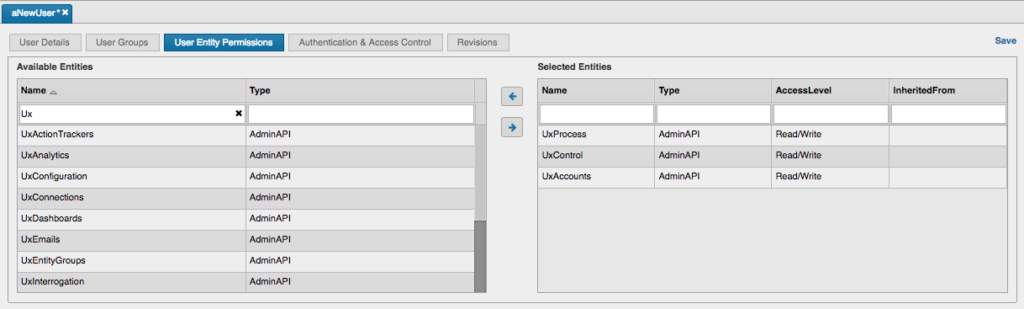
Use the exchange’s official API creation interface. Go directly to the exchange website by typing the URL, never through links in emails or messages. Phishing sites look identical to real exchanges but steal your credentials.Give your API key a descriptive name that identifies the bot platform. Example: “TradingPlatformX-GridBot-Jan2024”. This helps you identify which keys belong to which services if you later need to revoke access.Restrict API permissions to minimum necessary access. For trading bots, enable only “Read” and “Trade” permissions. Never enable “Withdraw” permissions unless the specific strategy absolutely requires it. Most bots only need trading access, not withdrawal capability.Enable IP address whitelisting if the exchange supports it. This restricts API access to specific IP addresses. Find your bot platform’s IP addresses in their documentation and whitelist only those addresses. This prevents attackers from using stolen keys from unauthorized locations.Set trading amount limits if the exchange offers this feature. Some exchanges let you limit maximum order sizes or daily trading volumes per API key. Configure reasonable limits that accommodate your strategy but prevent catastrophic unauthorized trading.Copy your API key and secret to a password manager immediately. Never save them in browser bookmarks, text files, screenshots, or emails. Use encrypted password management software. You cannot retrieve the secret key later; exchanges only show it once during creation.Verify the API key works before closing the creation page. Make a test API call or connection to confirm the key functions properly. Some exchanges have activation delays or verification requirements before keys become active.Store the API key and secret separately from each other. If someone gets access to your password manager, storing them in different entries adds a minor additional barrier. The key alone is useless without the corresponding secret.
When Connecting API to Your Trading Bot
Verify you’re on the correct bot platform website. Check the URL carefully for typos or slight variations. Phishing sites clone popular trading platforms to steal API keys. Bookmark the official site after verifying it’s legitimate.Use a secure private internet connection. Never enter API keys on public WiFi networks. Attackers can intercept data on unsecured networks. Use your home network or mobile data with VPN protection.Paste API credentials directly from password manager. Don’t type them manually where keyloggers could capture them. Copy-paste reduces exposure time and eliminates typing errors that could lock your account.Test the connection with the smallest possible test trade. Before activating real strategies, verify the bot can connect and execute a minimal trade. Use the platform’s paper trading mode if available. This confirms everything works before risking significant capital.Document when and where you connected the API key. Note the date, bot platform name, and which strategies you enabled. This audit trail helps you track down problems if unusual activity occurs later.Set up monitoring and alerts for unusual activity. Configure email or SMS alerts from your exchange for all trades, withdrawals, and API key usage. Many exchanges offer activity notifications that warn you of unauthorized access attempts.
Ongoing API Key Security Maintenance
Review API key activity weekly on your exchange. Most exchanges show logs of API calls, trades executed, and access times. Check these logs regularly for suspicious activity you didn’t authorize.Rotate API keys every three to six months. Create new keys and delete old ones periodically. This limits exposure if a key was compromised but not immediately used. Schedule regular key rotation like changing passwords.Immediately revoke API keys if you suspect any compromise. Don’t wait to investigate if something seems wrong. Delete the API key first, then figure out what happened. You can always create a new key after confirming security.Delete API keys for any bot services you stop using. Inactive keys create unnecessary attack surface. If you’re not actively using a trading bot platform, revoke its API access immediately. Old forgotten keys are common security vulnerabilities.Monitor your exchange account balance daily. Set up spreadsheet tracking or use portfolio apps. Any unexpected balance changes indicate potential unauthorized activity requiring immediate investigation.Keep your bot platform password updated quarterly. Even if you don’t rotate API keys that often, update your trading bot account password regularly. Use unique strong passwords generated by password managers.Review API permissions quarterly. Verify keys still have only the minimum permissions required. Exchanges sometimes reset permissions during updates. Check that “Withdraw” permission didn’t somehow get enabled inadvertently.Maintain current contact information on all accounts. Exchanges need to reach you if they detect suspicious activity. Keep email addresses and phone numbers updated so security alerts reach you promptly.
Critical Warning Signs
Immediately revoke API keys and change all passwords if you notice: unexpected trades in your exchange history, balance changes you didn’t authorize, API activity from unfamiliar IP addresses, withdrawal requests you didn’t initiate, or exchange security alerts about your account. Act immediately; investigate later.
What to Do If Your API Key Is Compromised
Immediately delete the compromised API key from your exchange. Don’t wait to assess damage first. Revoke access instantly to stop ongoing unauthorized activity.Change your exchange account password immediately. Use a completely new password never used elsewhere. Compromised API keys often indicate broader account vulnerabilities.Enable or reset two-factor authentication. If 2FA was already enabled, reset it with new codes. Attackers sometimes compromise 2FA alongside API keys.Review all recent account activity on the exchange. Check trade history, withdrawal attempts, and account setting changes. Document everything for potential exchange support tickets.Contact exchange support immediately. Report the compromise even if no funds were stolen. They may be able to reverse unauthorized trades or provide additional security measures.Check for unauthorized changes to withdrawal addresses. Attackers often add their own withdrawal addresses to whitelists. Remove any addresses you don’t recognize.Scan all devices for malware. Run complete security scans on any computer or phone used to access your exchange or trading bot. Compromised devices may contain keyloggers or info-stealers.Review security on all connected accounts. Change passwords for email, bot platforms, and any other crypto-related services. Breaches often expose multiple accounts simultaneously.Document the incident completely. Take screenshots of all evidence. Write down timeline of events. This documentation helps with exchange support and prevents repeat incidents.Wait at least 48 hours before creating new API keys. Give yourself time to secure all accounts properly. Rushing to reconnect bots while vulnerabilities remain just repeats the problem.
Essential API Security Tools
- Password Manager: 1Password, Bitwarden, or LastPass for secure credential storage
- Two-Factor Authentication: Google Authenticator, Authy, or hardware keys like YubiKey
- VPN Service: NordVPN, ExpressVPN, or ProtonVPN for encrypted connections
- Antivirus Software: Malwarebytes, Norton, or Bitdefender for device protection
- Activity Monitoring: Exchange native alerts plus third-party portfolio trackers
Download the Complete API Security Checklist
Get our comprehensive PDF checklist that you can print and follow step-by-step when connecting trading bots to exchanges. This printable guide includes verification checkboxes for each security step and space to document your configuration for future reference.
Get Free Security Checklist
Comparing the Top Best AI Crypto Trading bots Bot Platforms
Different platforms specialize in different approaches to automated crypto trading. Some focus on beginner-friendly simplicity. Others target advanced traders wanting maximum customization. Understanding platform differences helps you choose the right service for your skill level and strategy preferences.
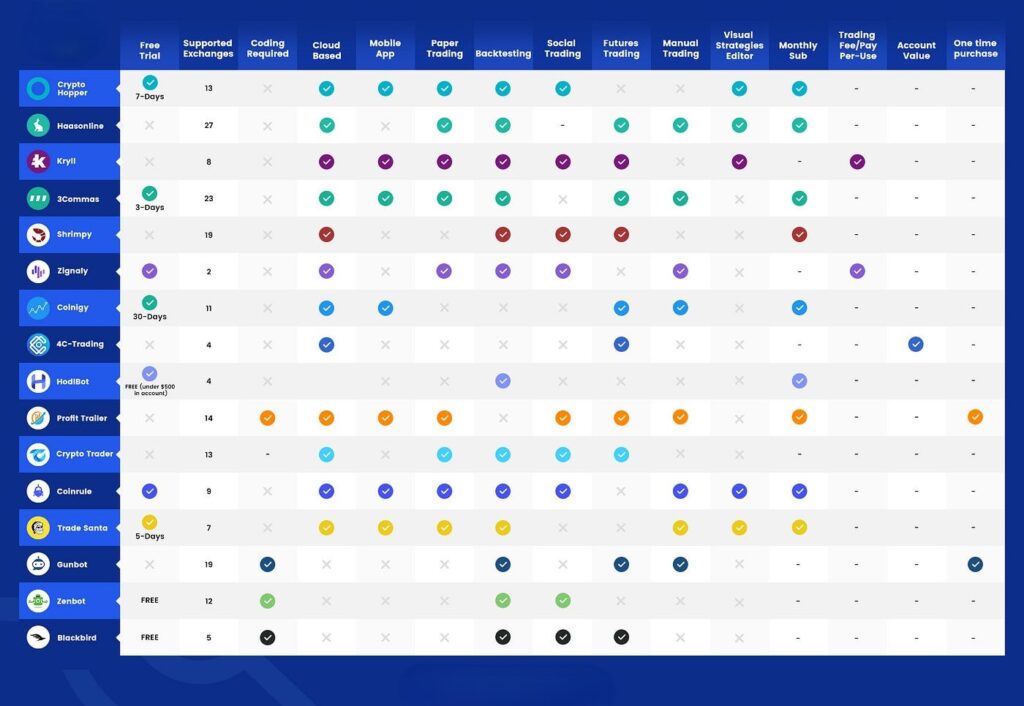
Platform Evaluation Criteria
Evaluate trading bot platforms across multiple dimensions. User interface quality affects your daily experience. Exchange compatibility determines which markets you can access. Available bot types limit or expand your strategy options. Pricing structure impacts profitability calculations.
Consider the platform’s track record and reputation. How long have they operated? What does their community say? Have they experienced security breaches? Newer platforms might offer attractive features but lack proven reliability. Established services provide stability but sometimes lag in innovation.
Support quality matters enormously for beginners. Platforms with responsive support help you resolve issues quickly. Those with extensive documentation and tutorial libraries enable self-directed learning. Active user communities provide peer assistance. Evaluate support before committing to ensure you’ll have help when needed.
Key Platform Features to Compare
Exchange Compatibility
Check which exchanges each platform supports. Major platforms usually connect to Binance, Coinbase Pro, Kraken, and other top exchanges. Smaller services might only support two or three exchanges.
- Number of supported exchanges
- API connection reliability
- Exchange-specific features enabled
- Support for decentralized exchanges
Bot Types Available
Different platforms specialize in different trading bot types. Some excel at grid trading. Others focus on DCA strategies or copy trading. Verify the platform offers the specific bot types you want to use.
- Grid bots with customization options
- DCA bots with safety order capability
- Copy trading with trader selection
- AI-driven adaptive strategies
User Interface Quality
You’ll spend considerable time in the platform interface. An intuitive design makes configuration easy. Confusing interfaces lead to mistakes. Try the demo or free trial to evaluate usability before subscribing.
- Setup wizard for beginners
- Clear visualization of strategies
- Mobile app availability
- Dashboard customization options
Pricing Structure
Compare total costs across platforms. Some charge flat monthly fees. Others base pricing on trading volume or number of active bots. Calculate which structure costs less for your anticipated usage level.
- Free tier limitations
- Monthly subscription costs
- Volume-based pricing
- Additional feature upgrade costs
Beginner-Friendly Platform Features
New traders benefit from platforms emphasizing education and simplicity. Look for comprehensive tutorials that explain strategies clearly. Video guides help visualize concepts. Interactive demos let you practice without risk.
Pre-configured strategy templates reduce setup complexity. Instead of choosing from dozens of parameters, you select from proven configurations. Templates for conservative, moderate, and aggressive risk levels help beginners start safely.
Paper trading capability is essential for learning platforms. Test strategies with simulated funds before risking real money. Good platforms make paper trading identical to live trading except for actual capital at risk.
Advanced Platform Features
Experienced traders need different capabilities than beginners. Advanced platforms provide strategy designers for creating custom logic. TradingView integration lets you trigger bots based on technical analysis signals. Multiple strategies can run simultaneously across different trading pairs.
Look for platforms supporting complex order types. Trailing stops protect profits dynamically. OCO orders implement multiple exit strategies. Advanced features like market making require sophisticated order management.
API access allows programmatic control for technical users. You can build custom dashboards or integrate bots with external tools. Advanced platforms often provide webhook functionality for external triggers.
Security and Reliability Considerations
Platform security protects your API keys and trading data. Check whether they encrypt stored credentials. Read their security documentation to understand protective measures. Platforms with security certifications or audits demonstrate commitment to protecting user data.
Uptime and reliability affect your trading. Cloud platforms should guarantee high availability. Check whether they publish uptime statistics. Read user reviews about platform stability during high volatility when performance matters most.
Data backup and redundancy prevent loss during system failures. Reputable platforms maintain multiple backups of configurations and trading history. Ask about disaster recovery processes before trusting the platform with active trading.
Community and Ecosystem
Strong user communities enhance platform value. Active forums provide troubleshooting help from experienced users. Social features let you learn from others’ strategies. Some platforms enable sharing configurations or copying successful setups.
Third-party integration expands capabilities. Platforms working with TradingView signals offer more strategy options. Integration with portfolio trackers simplifies performance monitoring. API accessibility enables building custom tools.
Educational resources beyond basic documentation demonstrate platform commitment to user success. Video courses, webinars, and written guides accelerate learning. The best platforms invest heavily in teaching users to succeed.
4.5
Average Platform Rating
User Interface
4.4/5
Exchange Support
4.6/5
Bot Variety
4.3/5
Customer Support
4.0/5
Value for Money
4.2/5
Security Features
4.7/5
Your Step-by-Step Action Plan to Start Safely
You’ve learned the essential concepts for choosing the best AI crypto trading bots. Now you need a concrete plan to start safely. This action plan takes you from a complete beginner to running your first profitable bot systematically. Follow these steps in order to minimize risk while maximizing learning.
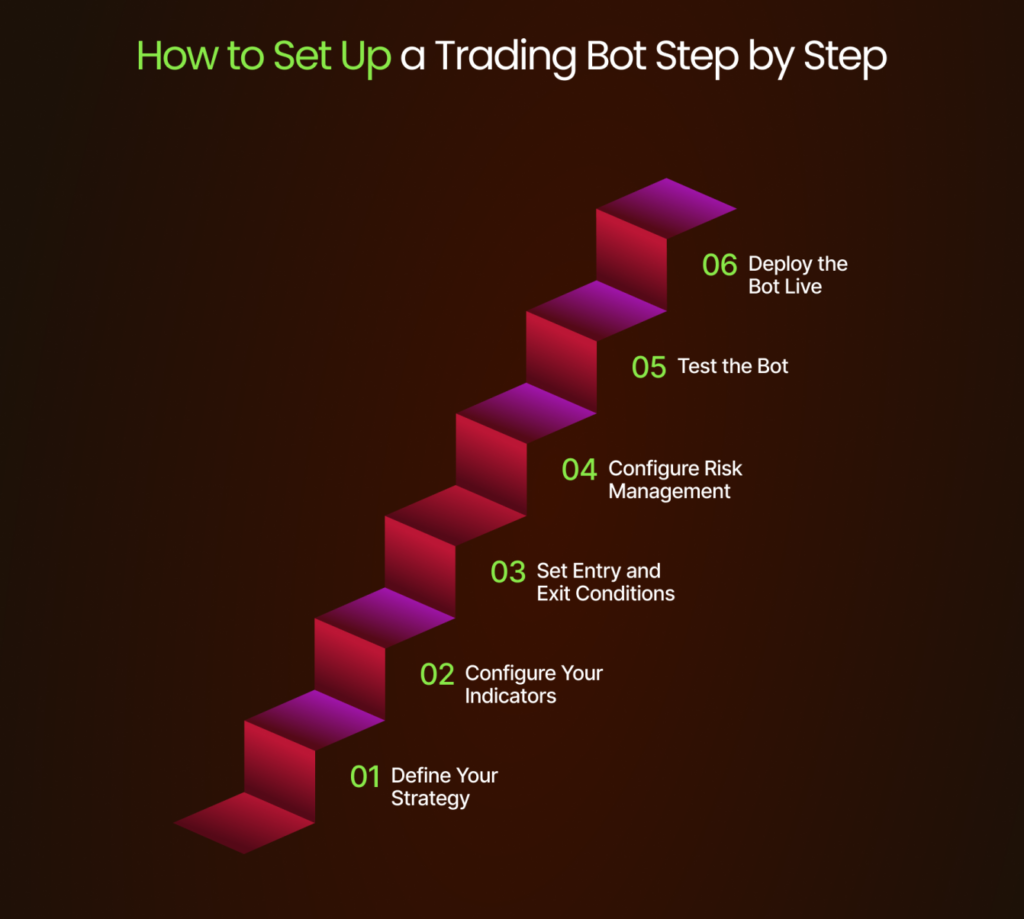
Phase One: Education and Preparation
Spend two weeks learning crypto trading fundamentals. Understand basic concepts like support and resistance, trading volume, market cycles, and volatility. You can’t automate strategies you don’t understand manually first. Use free resources like exchange education centers and YouTube tutorials.Research specific bot strategies thoroughly. Read everything available about grid trading, dollar cost averaging, and copy trading. Watch video tutorials showing real examples. Join trading bot communities and read beginner experiences. Understanding comes before implementation.Create accounts on two major crypto exchanges. Choose established platforms with good reputations like Binance, Coinbase Pro, or Kraken. Complete all verification requirements. Fund accounts with small amounts to familiarize yourself with the interface.Set up comprehensive security on all accounts. Enable two-factor authentication using authenticator apps. Create strong unique passwords with a password manager. Set up email alerts for all account activity. Security first prevents expensive lessons later.
Phase Two: Platform Selection and Testing
Identify three potential bot platforms matching your needs. Consider exchange compatibility, available strategies, pricing, and support quality. Read independent reviews from multiple sources. Verify each platform has been operating for at least one year.Sign up for free trials or demo accounts on all three platforms. Most services offer trial periods or paper trading access. Use this opportunity to evaluate interface usability and feature quality without paying subscription fees yet.Spend one week testing each platform thoroughly. Configure different bot types using paper trading. Explore all features and documentation. Contact support with questions to test responsiveness. Take notes comparing strengths and weaknesses.Choose one platform to focus on initially. Select based on which interface felt most intuitive, which had the best support, and which offered the specific strategies you want to learn. Starting with one platform prevents overwhelming complexity.
Phase Three: Paper Trading and Strategy Development
Configure your first strategy using paper trading. Start with a simple approach like basic dollar cost averaging or conservative grid trading. Keep settings simple initially. Complex strategies come after mastering basics.Run your paper trading bot for minimum four weeks. Monitor performance daily. Track metrics like win rate, average profit per trade, and maximum drawdown. Let the bot run long enough to experience different market conditions.Analyze results objectively after four weeks. Is the strategy profitable after accounting for fees? How did it perform during both volatile and calm market periods? Would you be happy with these results using real money?Adjust settings based on paper trading lessons. If the grid bot got stuck in a breakout, widen the range. If DCA exhausted safety orders too quickly, reduce their frequency. Make one change at a time and test again.Repeat paper trading cycles until consistently profitable. Don’t rush to real money trading. Spend as long as necessary until you achieve steady positive results for at least two months. This patience pays dividends by preventing real capital loss.
Paper Trading Success Criteria
Only graduate to real money when you’ve achieved: Minimum 8 weeks of positive returns in paper trading, clear understanding of why your strategy works, ability to explain your risk management rules, confidence adjusting settings for different market conditions, and documented process for monitoring and managing the bot.
Phase Four: Starting with Real Money
Allocate limited capital specifically for learning. Start with three hundred to five hundred dollars you can afford to lose completely. Think of this as tuition for real-world trading education. Losing this money shouldn’t affect your financial security.Create exchange API keys following the security checklist. Review the complete checklist earlier in this guide. Enable only Read and Trade permissions. Configure IP whitelisting if possible. Double-check every security setting before saving keys.Connect your API keys to the trading platform carefully. Verify you’re on the legitimate site before entering credentials. Test the connection with the smallest possible trade. Confirm everything works before enabling your full strategy.Start your first real money bot with conservative settings. Use even more cautious parameters than your successful paper trading configuration. Better to sacrifice some profit potential for reduced risk while you build confidence with real capital.Monitor your live bot more intensely than paper trading. Check positions at least twice daily during the first week. Review every completed trade. Verify the bot behaves exactly as expected. Real money requires more vigilance than simulated trading.
Phase Five: Evaluation and Scaling
Run your initial bot for six to eight weeks before changes. Give your strategy enough time to prove itself in live market conditions. Don’t panic and adjust settings after one bad week. Markets fluctuate; strategies need time to work.Track detailed performance metrics throughout. Use spreadsheets or portfolio apps to monitor returns, fees paid, win rates, and drawdowns. Compare live performance to your paper trading results. They should be similar if you configured settings identically.Evaluate whether to continue, adjust, or change strategies. After two months, you have meaningful data. Is the bot consistently profitable after fees? Does it perform as expected? Make informed decisions based on results, not emotions.Scale up capital gradually if successful. If your bot proved profitable, consider increasing capital by twenty-five to fifty percent. Don’t double your investment immediately. Grow position sizes incrementally as confidence and consistent results accumulate.Add a second strategy only after first becomes profitable. Once you’ve achieved steady returns with one approach, consider diversifying. Add a second bot type using the same careful process: paper trade first, start small, monitor closely, scale gradually.
Long-Term Success Habits
Successful automated trading requires ongoing effort. Schedule weekly review sessions to analyze performance. Check whether market conditions still match your bot configurations. Markets evolve constantly; your strategies must adapt.
Continue learning throughout your trading journey. Markets change. New strategies emerge. Technology improves. Traders who stop learning get left behind. Dedicate time monthly to exploring new concepts and staying current with crypto trading developments.
Network with other bot traders through communities and forums. Share experiences and learn from others’ mistakes. The collective knowledge of active trading communities accelerates your learning curve significantly.
Maintain realistic expectations about returns. Consistent five to ten percent monthly returns are exceptional in crypto trading. Strategies promising thirty or fifty percent monthly are either extremely risky or outright scams. Steady modest profits compound dramatically over time.
Ready to Start Your Trading Bot Journey?
Begin with the beginner platforms that offer comprehensive paper trading, educational resources, and strong support. These services help new traders build skills safely before risking significant capital. Start your free trial today and follow the action plan above systematically.
Compare Top Beginner PlatformsDownload Complete Startup Checklist
Final Thoughts on Choosing Your AI Crypto Trading Bot
Choosing the right AI crypto trading bot requires careful consideration of your goals, experience level, and risk tolerance. This guide covered the essential questions to ask, the differences between bot types, critical risk settings, realistic capital requirements, common mistakes, and security best practices.

Start with education before implementation. Paper trade thoroughly before risking real money. Begin with small capital amounts you can afford to lose. Scale up gradually only after proving consistent profitability. These principles separate successful traders from those who lose money quickly.
Remember that automated crypto trading isn’t passive income despite what marketing promises. Your bots require regular monitoring, periodic adjustment, and ongoing management. Treat bot trading as a skill to develop rather than a magic solution for easy money.
The most important decision is simply to start learning. Many aspiring traders spend months researching without ever taking action. Others rush in without proper preparation. The optimal path lies between these extremes: educate yourself thoroughly, then start cautiously with proper risk management.
Success with trading bots comes from understanding market fundamentals, choosing appropriate strategies, managing risk religiously, and maintaining realistic expectations. Follow the step-by-step action plan provided in this guide. Take your time with each phase. Build competence before complexity.
Your journey into automated crypto trading begins with a single step. Choose that first bot platform. Start paper trading. Learn from both successes and failures. Stay disciplined with risk management. Scale thoughtfully as skills improve. With patience and proper approach, trading bots can become valuable tools in your crypto investment strategy.